A WORD ON FEATURE
Modern Building Services (MBS)
September 2026 Edition: https://heyzine.com/flip-book/f5e7fed141.html#page/39
Dave Carr, Managing Director at Propeller, explains how cloud-based software and AI are helping M&E contractors to work more efficiently, scale faster and keep pace with complex regulatory demands.
As the demand for mechanical and electrical (M&E) services rises, so does the complexity of delivering them. Tighter regulation, higher client expectations and growing workforce management pressures mean the operational infrastructure supporting a contracting business matters more than ever. For many, the systems currently in place are struggling to keep up.
The compliance shift
Navigating rapidly evolving regulation is one of the most pressing challenges contractors face. Nowhere is this more acute than in social housing, where legislation has shifted considerably in the last three years alone.
The Social Housing (Regulation) Act, Awaab’s Law and Tenant Satisfaction Measures (TSMs) are driving greater responsiveness, transparency and tenant engagement. Contractors must now demonstrate performance across a growing range of metrics with speed of response, first-time fix rates, tenant communication, and compliance documentation all under the spotlight.
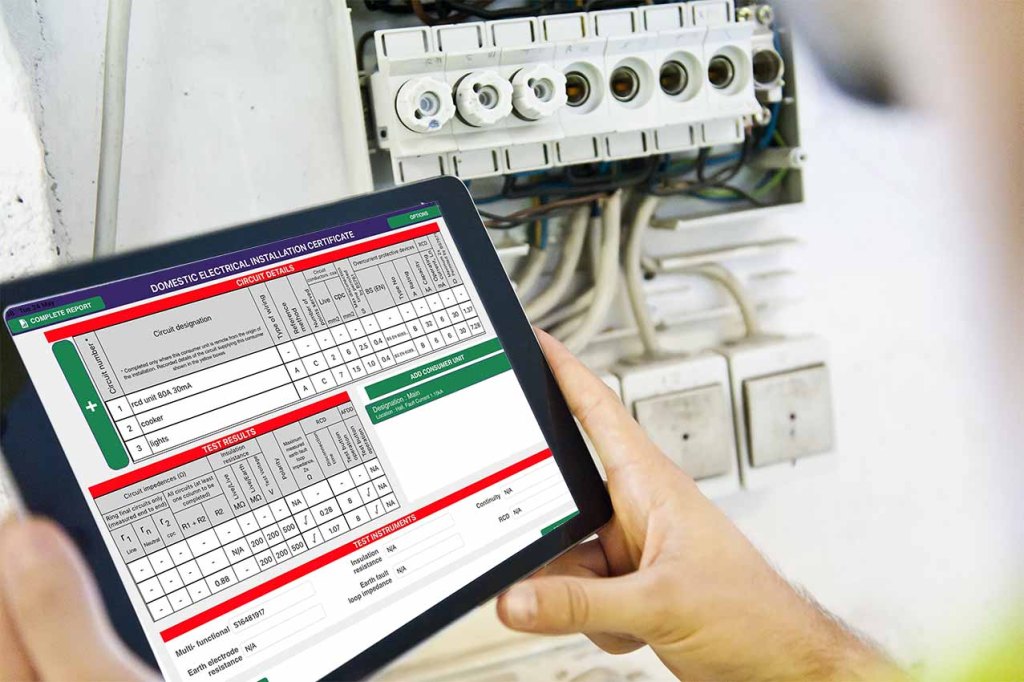
Electrical safety rules for social housing are also aligning with the private sector. These include a requirement to inspect electrical systems every five years and ensure tenants receive an Electrical Installation Condition Report (EICR) within 28 days of inspection or before moving in. For contractors managing hundreds of properties, the cumulative effect is substantial.


The operational ceiling
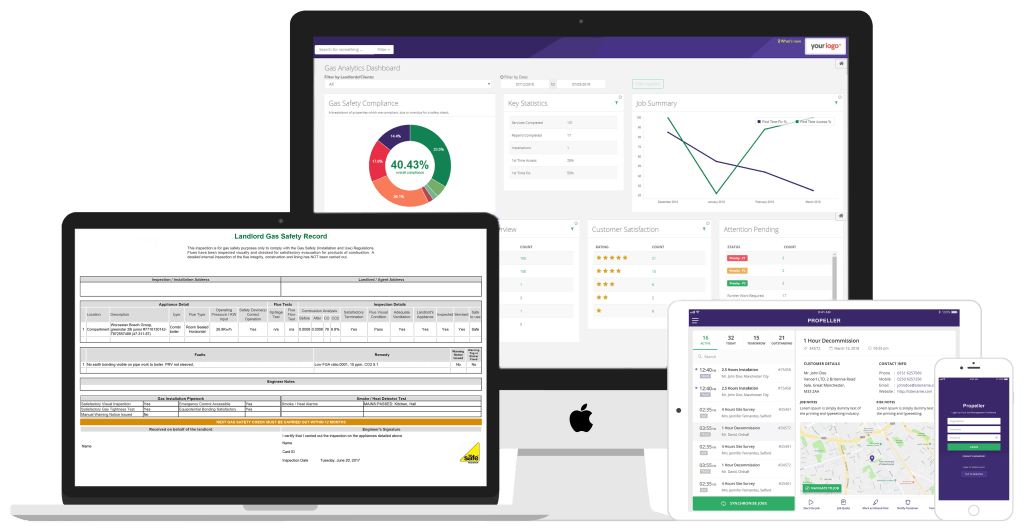
Relying on manual processes or outdated IT platforms makes it difficult to track inspections, compliance status and engineer performance. Poor scheduling means engineers may arrive unprepared, risking delays and repeat visits.
Missed appointments add to this challenge. A no-access visit creates extra administration and increases the risk of missing deadlines for EICRs and gas safety certificates, which can show up negatively in TSM scores.
Working smarter at scale
Cloud-based job management software is increasingly central to how contractors address these pressures. Requiring no specialist IT resources, it is accessed online and can be scaled as a business grows.
Features include intelligent scheduling which enables thousands of planned maintenance appointments to be booked in bulk, up to three months in advance, within seconds. Artificial intelligence (AI) continuously analyses the workforce to optimise workloads, allocating jobs based on skillsets, travel time and job duration. Compared to conventional methods, this can reduce operational costs by up to 40 per cent and cut travel costs by up to 25 per cent.
For reactive maintenance, an integrated scheduling window gives support teams an instant view of available slots without the need to manually check diaries. Complex jobs requiring multiple trades can be scheduled automatically too.
Recent advances are also reducing the administration burden linked to Service Level Agreements (SLAs) for gas and electrical appointments. Most SLAs specify exactly when the first visit should take place, how missed appointments are handled and what written notice must be given before a return visit, with notice periods typically running between seven and 14 days. The latest scheduling tools manage this automatically, working backwards from the service due date and prompting the next required action at every stage.
Keeping up with the pace
Cloud-based technology makes it easier to evolve in line with industry and market need, introducing new features for M&E contractors. Integrated postal functionality now enables compliance documentation, including EICRs and gas safety certificates, to be bulk mailed directly from a job management platform with full delivery tracking, creating a clear audit trail and removing reliance on external mailing houses.
Looking ahead, an AI-powered feature currently in development could significantly reduce the time involved in completing EICRs. Instead of engineers having to manually record every detail from the fuse board, the new tool will automatically populate the key information into the certificate using an app. Early prototypes suggest a saving of around 20 minutes per EICR.
The right foundation
The operational pressures facing M&E contractors are not going to ease. Regulation will continue to evolve, client expectations will keep rising and workforce management will remain complex. Cloud-based software and AI won’t solve every challenge, but they remove the ceiling that manual processes impose and create the foundation on which a scalable, compliant contracting business can be built.